Ways Your HVAC System Can Affect Your Health
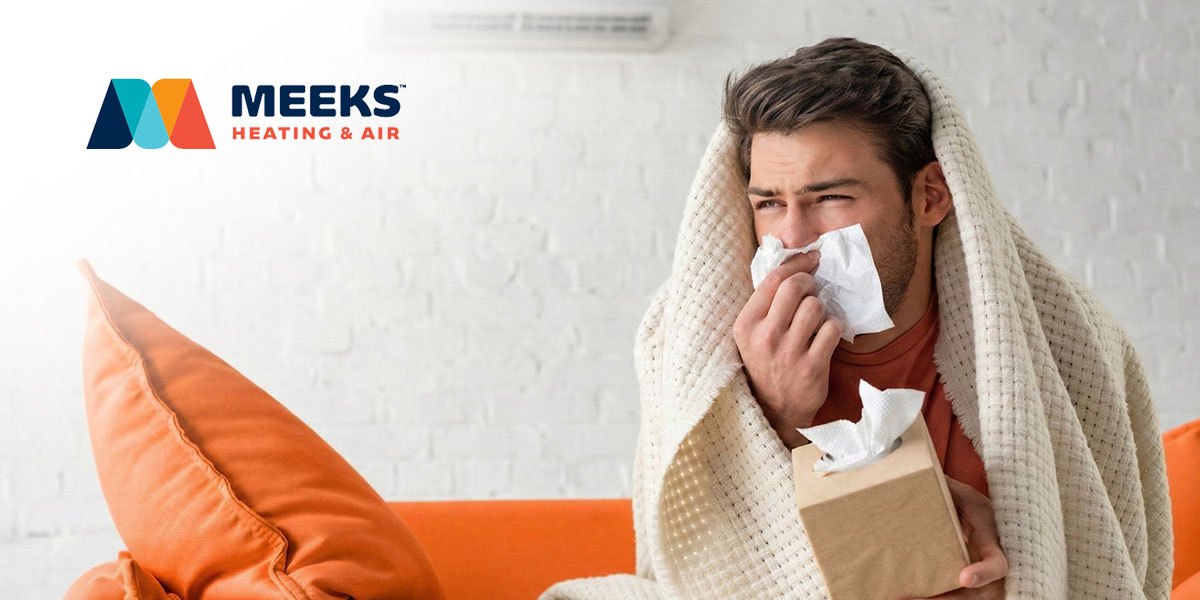
How Does Your HVAC System Affect Your Health?
HVAC systems impact health through air quality, humidity control, and safety. Poor maintenance can circulate allergens causing respiratory issues, while improper humidity (below 30% or above 50%) promotes illness and mold growth. Cracked heat exchangers can leak carbon monoxide. Solutions include air purifiers, humidity control, UV technology, and annual inspections.
Did you know that indoor air is often two to five times more polluted than outdoor air, according to data from the Environmental Protection Agency (EPA)? Considering we spend approximately 90% of our time indoors, this statistic represents a significant public health concern.
Your heating, ventilation, and air conditioning (HVAC) system acts as the lungs of your building. It breathes air in, filters it, and circulates it back out to every room. If these systems are dirty or congested, every occupant breathes in that contamination. From nagging allergies to serious safety hazards, a neglected system can lower comfort and actively degrade physical wellness. Discover the health risks that may be hidden in your ductwork and explore actionable solutions for homeowners and commercial facility managers.
Respiratory Distress From Circulating Particulates
Standard HVAC systems typically recirculate indoor air for temperature control. While this is efficient for heating and cooling, it creates a closed loop that traps contaminants, potentially leading to health issues. Without advanced filtration or fresh air exchange, the density of microscopic debris, such as dust mites, pet dander, skin cells, and pollen, increases with every cycle.
Microscopic debris can cause chronic inflammation, sinus issues, and trigger asthma attacks, especially among vulnerable groups. In commercial settings, this issue directly affects the bottom line. High particulate counts in offices or retail spaces can lead to:
- Increased absenteeism: Employees suffering from chronic sinus issues or respiratory irritation are more likely to call in sick.
- Reduced productivity: Physical discomfort distracts from focused work.
- Customer discomfort: Visible dust buildup on vents or surfaces signals a lack of cleanliness to visitors.
Proper HVAC maintenance is crucial for maintaining healthier indoor air quality.
Health Issues Caused by Poor Humidity Control
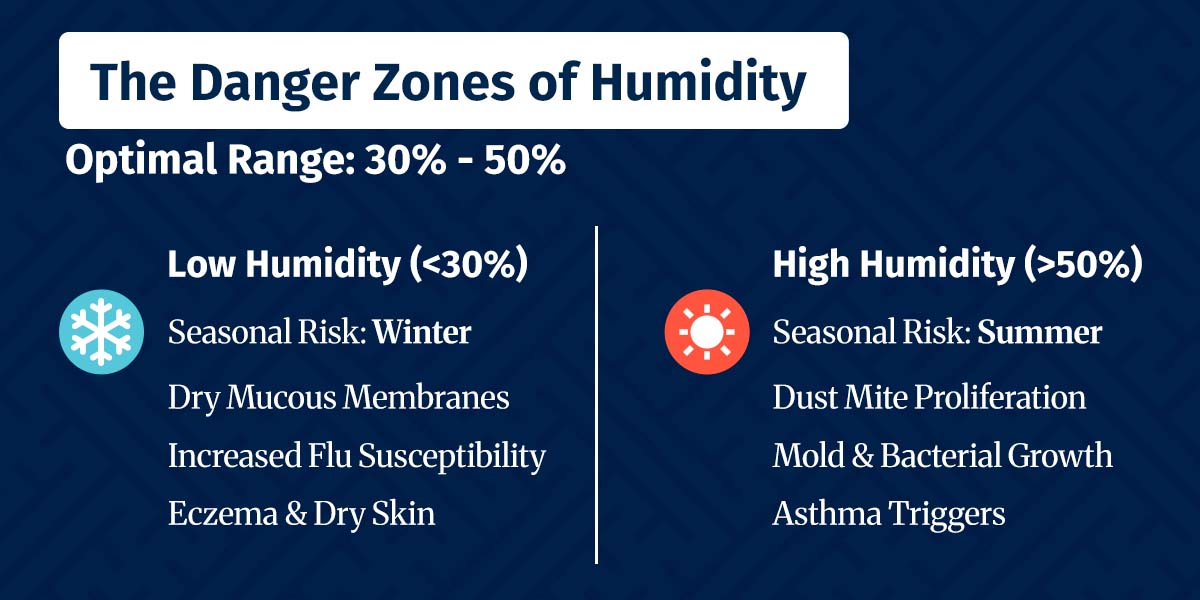
The optimal relative humidity zone for human health is between 30% and 50%. Dipping below or rising above this range creates a danger zone where pathogens thrive. Explore health issues related to humidity control below:
- Overly dry air: During the winter months, heating systems strip moisture from the air. Your mucous membranes — the lining of your nose and throat — rely on moisture to trap viruses and bacteria. When dry air dehydrates these membranes, they lose their effectiveness, making you significantly more susceptible to the flu, common colds and sinus infections. Low humidity can also cause dermatological distress, including eczema flare-ups, chapped lips and general dehydration.
- Excessive moisture: In contrast, high humidity levels, which tend to be more common in the humid summer months, can create a breeding ground for biological contaminants. Dust mites, which are a primary trigger for asthma attacks, thrive in moist environments because they absorb water from the air. Excess moisture also encourages bacterial growth and mold proliferation.
Hidden Dangers of Biological Growth
The interior of an air conditioning unit is dark, damp, and cool. This creates an ideal environment for mold and bacterial growth. When maintenance is neglected, a slime-like substance teeming with pathogens can develop on evaporator coils and condensate pans. As high-velocity air passes over these contaminated coils, it can dislodge microscopic spores and bacteria, releasing them into the vents and into living spaces.
Biological contamination in HVAC systems is a primary driver of sick building syndrome (SBS). This condition is characterized by a set of symptoms, including throat irritation, dizziness, nausea, and fatigue, that appear while occupants are inside the building but vanish soon after they leave.
Consequences of Poor Ventilation
Modern building standards prioritize energy efficiency, often requiring homes and offices to be sealed tightly to prevent heat loss. While this lowers utility bills, it can also seal pollutants inside.
Every day items in your home off-gas chemicals known as volatile organic compounds (VOCs). Sources include cleaning supplies, new furniture, paints, glues, and even perfumes. In a drafty, older home, these chemicals would naturally dissipate over time. In a tightly sealed building without proper ventilation, they concentrate in the air. Long-term exposure to elevated VOCs is linked to chronic headaches, nausea, and dizziness.
In crowded spaces like conference rooms or classrooms, carbon dioxide (CO2) levels can rise rapidly. High CO2 concentrations lead to brain fog, lethargy, and a significantly reduced ability to make strategic decisions.
Other HVAC Health and Safety Risks
While air quality issues typically cause chronic health problems, neglected heating components can pose immediate and even fatal health and safety risks.
Carbon Monoxide (CO) Leaks
One of the most critical components in an HVAC system is the heat exchanger — a metal chamber that separates the combustion fire from the air you breathe. Over time, the constant expansion and contraction from heating cycles can cause this metal to crack.
A cracked heat exchanger allows odorless carbon monoxide (CO) gas to mix with the heated air distributed to your rooms. Because CO is colorless and odorless, it is impossible to detect without equipment. According to the Consumer Product Safety Commission (CPSC), the symptoms of low-to-moderate CO poisoning are often mistaken for the flu. They include:
- Headache.
- Nausea.
- Fatigue.
- Shortness of breath.
- Dizziness.
Installing CO detectors and annual heat exchanger inspections are nonnegotiable safety requirements.
Refrigerant Leaks
In older cooling systems, refrigerant leaks present another respiratory hazard. Breathing in leaking refrigerant can cause respiratory irritation, dizziness, and heart palpitations. Like CO leaks, these issues are rarely visible to the untrained eye and require professional detection.
Restoring a Healthy Indoor Environment
Modern HVAC technology offers sophisticated tools to restore balance and purity to your indoor environment with the following:
- Advanced air purification: To capture the microscopic threats discussed above, consider upgrading to a whole-home air cleaner. This technology removes up to 99.98% of airborne particles, including those as small as 0.1 microns, effectively filtering out dust, smoke, and bacteria that standard filters may miss.
- Humidity control systems: To maintain the recommended 40%-60% relative humidity year-round, whole-home humidifiers and dehumidifiers are essential. These systems work automatically with your HVAC unit to add moisture in the winter and remove it in the summer, preventing both viral transmission and mold growth without daily intervention.
- Ventilation and UV technology: Fresh air ventilators can replace stale, VOC-laden indoor air with filtered, fresh air, all while maintaining energy efficiency. Installing UV lamps inside the HVAC system can kill bacteria and mold at the source, preventing them from entering your ducts.
Prioritize Your Health With Meeks Heating & Air
Your HVAC system is the respiratory system of your home. A clean, calibrated system ensures that the air you breathe is free from biological growth and irritants, and safe from carbon monoxide.
At Meeks Heating & Air, we understand that we are protecting families and businesses beyond just servicing equipment. Our technicians use advanced diagnostic tools to pinpoint the invisible sources of contamination that traditional services often overlook.
Whether you need a comprehensive indoor air quality assessment, professional HVAC installation, or the peace of mind that comes with the Meeks Comfort Club maintenance plan, we are here to help. We treat your home’s air like our own, ensuring safety and comfort in every season. Call us today to schedule your indoor air quality assessment or safety inspection.