Why Georgia Humidity Makes Your AC Work Double-Time (And How to Fix It)
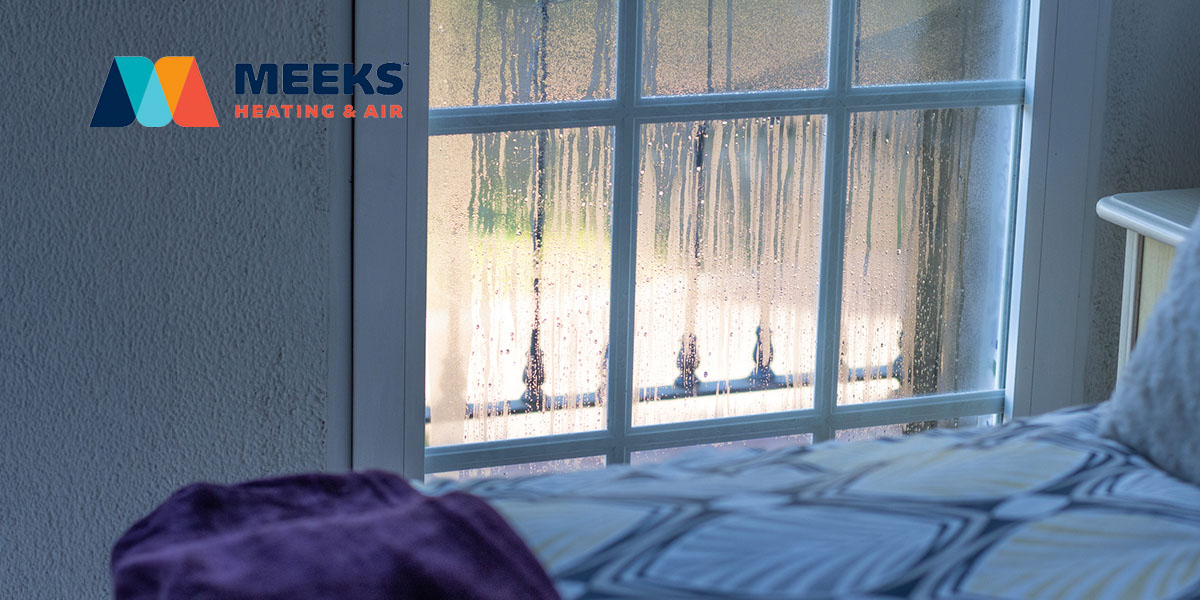
Your air conditioner runs from morning until night. The thermostat reads a comfortable number, but walking through your home tells a different story. The air feels thick and sticky, and your energy bills keep climbing, so something doesn’t add up. Georgia’s summer humidity is the missing piece.
When outdoor moisture levels stay high for weeks at a time, your air conditioner (AC) has to work twice as hard to keep your home feeling comfortable. The system faces an uphill battle against one of the most challenging climates in the Southeast. Understanding why this happens and what you can do about it can help you regain control over your comfort and your cooling costs.
Georgia’s Summer Humidity Is a Heavy Burden on Your AC
Metro Atlanta summer weather brings intense heat and persistently high humidity — July temperatures average around 90˚ Fahrenheit, while humidity peaks in August at 75%. That moisture makes the air feel uncomfortable and makes cooling your home far more demanding than if you only had to account for the temperature.
Humidity makes Georgia uniquely tough on residential AC systems, leading to secondary problems you wouldn’t face otherwise. While other regions deal with dry heat or short bursts of moisture, Georgia homeowners face weeks of warm, humid weather that never lets up.
Your system has to remove all that moisture from the air before your home can feel truly comfortable, and that takes time, energy, and consistent operation. Heating, ventilation, and air conditioning (HVAC) systems built for Georgia’s climate have to be ready for this challenge from late spring through early fall.
Why Is My House so Humid With the AC On?
Your air conditioner reduces indoor temperature while extracting moisture from the air. The temperature you feel is called sensible heat, while the moisture in the air is called latent heat. In Georgia’s humid climate, your AC has to work harder and run longer to account for the latent heat. This process takes much longer than just cooling the air, which is where things get tricky.
When your AC reaches the set temperature too quickly, it stops running before completing the dehumidification process. This problem, known as short-cycling, leaves excess moisture in your home.
Your home might feel cool-ish, but it still feels sticky because the system didn’t run long enough to pull the humidity out of the air. Some modern systems have reduced moisture-removal capacity compared to older units, which means even a newer system can struggle if it isn’t sized, maintained, or set correctly.
The result? Your thermostat reads 72° Fahrenheit, but your home feels like 75° Fahrenheit. Since AC units struggle with dehumidification, air can feel stuffy and uncomfortable even at the right temperature.
What This Humidity Overload Is Costing You
When your system has to run longer to fight humidity, it uses more electricity month after month. Those extra run cycles add up on your energy bills, especially during Georgia’s long summer season. But the financial impact isn’t limited to your monthly energy bill. Longer or harder run cycles can also stress major components like the compressor, fan motor, and evaporator coil, shortening their lifespans.
Systems working under constant strain are more likely to need repairs since parts wear faster and performance declines, leading homeowners to wonder if their AC will make it through another summer. Protecting your AC system’s lifespan becomes more important when the system faces this kind of environmental pressure year after year.
The real cost extends beyond dollars to comfort, peace of mind, and confidence that your system will keep working when you need it most.
Thermostat and Fan Settings That Can Help Right Now
A few simple thermostat and fan settings can help your AC manage moisture better in the short term. These are helpful immediate steps while you schedule professional service.
Switch Your Fan to AUTO, Not ON
When your fan is set to ON, it keeps blowing air across the evaporator coil after the cooling cycle ends. This can push condensed moisture back into your home instead of letting it drain away. AUTO allows the fan to stop when the cooling cycle ends, helping moisture drain properly.
This is one of the easiest fan setting adjustments you can make. You can also install a smart thermostat to make managing these settings easier and give you more control over when and how your system runs.
Keep Your Thermostat Setpoint Consistent
Frequently lowering the thermostat to force more cooling can backfire. Aggressive adjustments may cause short, uneven cycles or prevent the system from running in a steady way that supports moisture removal. A consistent thermostat setpoint helps the AC complete longer, more effective cooling cycles.
Instead of constantly chasing comfort through big temperature changes, keep the thermostat steady to achieve maximum effectiveness. You can also use a programmable thermostat to help you maintain that consistency without constant manual adjustments.
How Regular AC Maintenance Helps Solve the Problem
Thermostat and fan settings can help in the short term, while professional air conditioner maintenance addresses what’s happening inside your AC system. A system that hasn’t been serviced recently may have performance problems that make humidity harder to control. Here’s what seasonal maintenance addresses:
- Low refrigerant levels: Insufficient refrigerant can limit the coil’s ability to remove moisture from the air, leaving your home feeling sticky even when the temperature drops.
- Clogged condensate drains: A blocked drain line can interfere with proper drainage and make humidity issues worse, causing water to back up or recirculate into your home’s air.
- Fan and motor issues: Worn components can prevent your system from running in steady cycles that support effective moisture removal.
- Dirty coils and filters: Buildup on evaporator coils reduces the system’s ability to pull humidity out of the air and forces your AC to work harder.
Seasonal maintenance is one of the most important HVAC humidity control solutions because it helps keep your system in good condition for Georgia’s heat and humidity. A seasonal AC tuneup includes cleaning, inspection, refrigerant checks, and adjustments that support better moisture removal.
Schedule Your AC Tuneup With Meeks Heating & Air
Georgia’s humidity makes your air conditioner work harder, but the right settings and professional seasonal service can help your system manage moisture more effectively.
Meeks Heating & Air has served homeowners in Locust Grove, Jenkinsburg, and throughout Metro Atlanta for over 25 years. Our certified technicians service all makes and models, and we bring extensive expertise to every job. We serve your home like it’s our own with honest care and quality workmanship from a family-owned company We are a Trane Comfort Specialist, but we service and maintain all brands.
Call today at 470-622-8901, schedule your seasonal AC tuneup, or join the Meeks Comfort Club for priority service and a 10% to 15% discount on repairs.