What Types of HVAC Systems Are Best for Homes in Metro Atlanta's Climate?
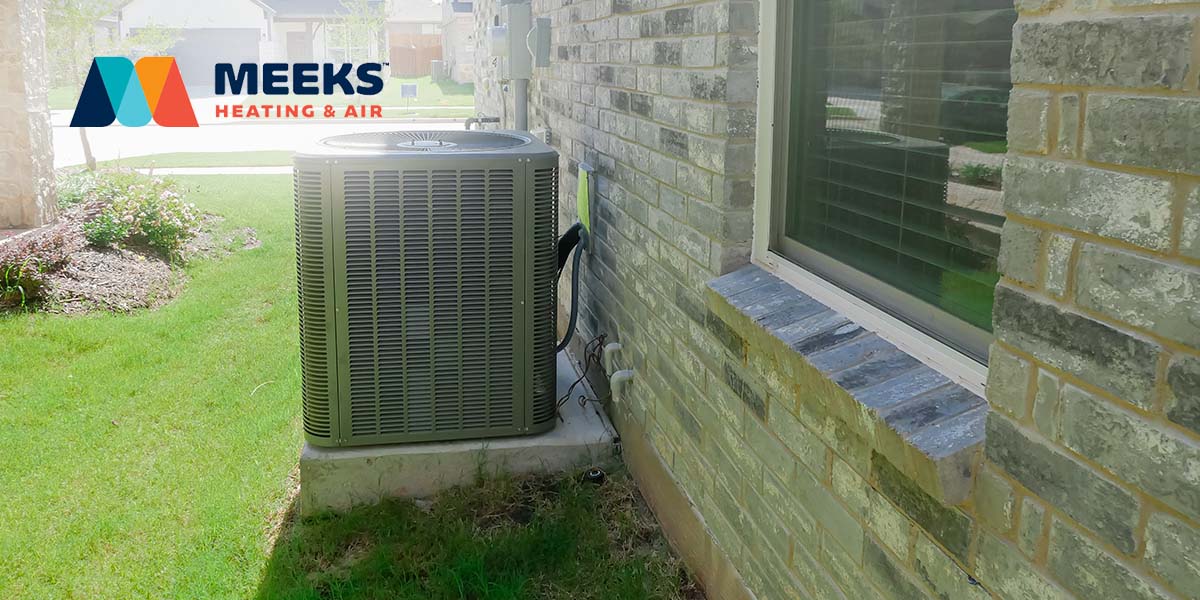
Extreme temperatures are hard on any HVAC system. If you are planning a replacement or a new install, you’ll want to choose equipment that can handle heat, control humidity, and still provide reliable heating. Understanding how local weather can impact your system will help you make a decision that keeps your home at a comfortable temperature year-round.
How Does Atlanta’s Climate Influence Your Heating System Choice?
Atlanta’s summers are long, hot, and humid, while winters are typically short and mild. The extended cooling system puts excessive wear and tear on your equipment and exposes weak points in older units or systems that were not properly sized.
High humidity inside your home also contributes to the overall discomfort. When the indoor humidity levels are excessively high, your home will feel warmer than the actual temperature displayed on the thermostat. This is why it’s important to look beyond standard air conditioning and understand the humidity control systems available in Atlanta that can regulate moisture more efficiently.
The best HVAC system for Atlanta’s climate should offer reliable comfort during hot weather and enough power to keep you warm on the occasional cold nights.
Understanding the Different Types of HVAC Systems for Georgia’s Climate
Three major types of HVAC systems work well in this climate. Each can be highly effective when correctly sized and installed.
Heat Pumps
Heat pumps are some of the most versatile options in Georgia. They can both cool your home during summer and warm it during winter, using only one piece of equipment.
A heat pump works like a traditional air conditioner, removing heat from your home. In cooler weather, it pulls heat from the outside air and moves it indoors. You can choose to add electric backup strips or a dual-fuel setup, which consists of a natural gas furnace and a heat pump for very cold winter nights. However, the heat pump will do all the work, and the supplementary heat will kick in once the temperature drops below average.
Central Air Conditioning
Central air conditioning paired with a gas furnace is one of the most traditional split-system options. The central air conditioner will handle the cooling during the summer months. In contrast, the gas furnace will take over heating during the winter months. Although it’s a very effective way to cool and heat your home, running two different systems can be expensive, and there are additional components to maintain.
The best way to achieve lower energy usage is to select a high-efficiency AC unit and hire a professional to handle the installation.
Ductless Mini-Split System
A ductless mini-split system offers many options for those who don’t have existing ducting in their home, or for homeowners who are building additions or renovating a home. This type of system is mounted to the wall or ceiling of each room and connects to an outside unit. It provides both heat and cooling without using ducts.
A ductless mini-split system offers great flexibility for targeting areas with warmth and cooling as needed. Because this system doesn’t lose energy in ducts, it’s also very efficient. However, in larger homes, you may need to install multiple ductless mini-split systems, which can be costly.
Key Factors to Consider When Choosing a Heating System
Before you decide on a new HVAC system for your home, consider a few key factors that will impact its performance and overall efficiency.
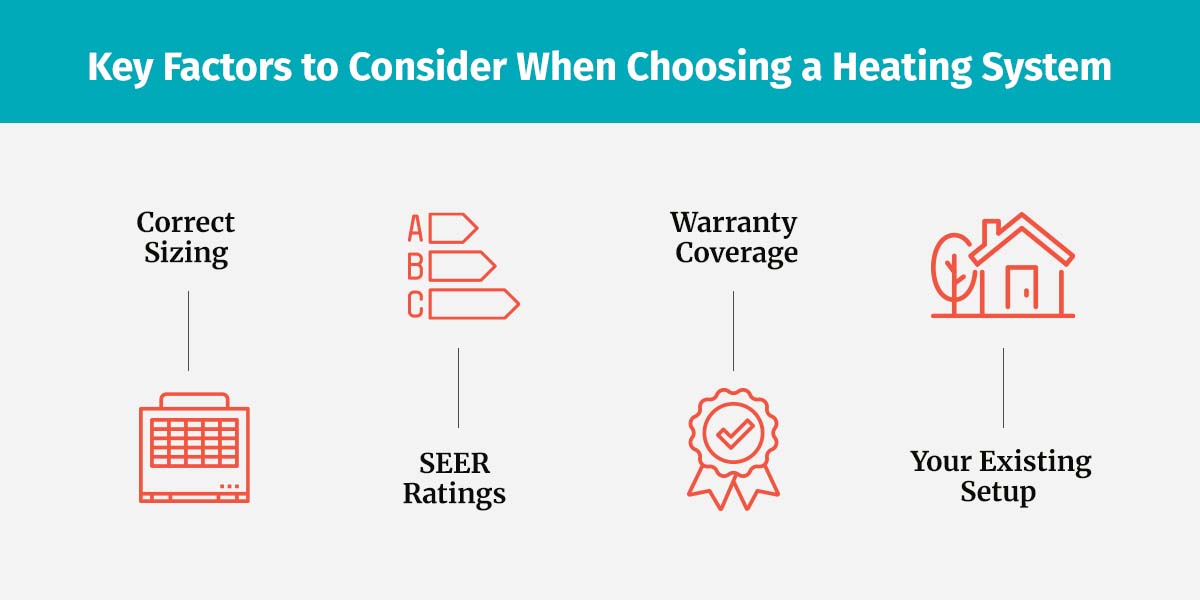
Correct Sizing
While a larger system may be able to cool your home more quickly, an oversized system has more negative consequences than benefits. Oversized systems turn on and off regularly, so they are less effective when removing moisture from your air and put more wear on components. Undersized systems struggle to maintain a comfortable temperature because they are always running.
A professional load calculation will take all aspects of your home into account — such as size, insulation level, window types, and location — to determine the amount of heat to remove and the appropriate system size.
SEER Ratings
SEER (Seasonal Energy Efficiency Ratio) measures how efficiently a unit cools. The more efficient the unit, the lower your electricity bill will be. As a result, a higher SEER rating means a more efficient and cost-effective unit. Federal regulations currently require a SEER rating of 14.3 or better for all residential central air systems below 45,000 Btu installed in the southeast region.
In the Atlanta area, where the cooling season lasts longer than most areas, purchasing a unit with a higher SEER rating can pay for itself in lower utility bills each month. Units with a SEER rating of 16 or better offer good efficiency, while units with a SEER rating of 18 or better offer superior efficiency and performance for those looking to save money on their utilities.
Warranty Coverage
Ensuring quality installation is as important as selecting quality equipment. Search for contractors who offer warranty coverage on both their labor and the manufacturer’s equipment. Warranty coverage ensures your investment is protected and provides you with peace of mind.
Your Existing Setup
Finally, consider your existing setup. If you currently have ductwork installed in your home, you will probably want to stick with a central system. However, if you do not have ducts installed, or if you have one or two problem areas, you might consider installing a ductless system.
Common HVAC System Problems and How to Avoid Them
It’s normal for upstairs rooms to feel warmer. To maintain consistent comfort throughout the house, make sure the HVAC system is properly sized for your home, keep all the vents open and unblocked, have all the filters changed regularly, and use ceiling fans to help the air circulate.
You may also want to consider equipment that includes built-in humidity control features, such as a variable-speed air conditioner or a whole-home humidifier. Additionally, if you prefer a structured plan, working with a local company is a simple way to stay on top of tune-ups and system checks every year.

Choosing the Right HVAC Contractor in the Metro Atlanta Area
If you’re looking for an experienced local contractor to assess your situation, our team is here to help. Meeks Heating & Air has been serving homes in the Metro Atlanta area for over 25 years. As a Trane Comfort Specialist, we install high-quality Trane products with exclusive warranty and financing options, while still repairing, serving, and maintaining all brands and models.
If you’d like a straightforward assessment of your existing equipment or assistance selecting a replacement, feel free to contact us or schedule an appointment with our team.